
Sustainability in Project Management: A Complete Guide
This article covers the following topics:
- What is sustainability in project management?
- How can organisations adopt more sustainable project practices?
- Becoming a sustainable project manager.
- Sustainability in construction projects.
- The benefits of sustainability in project management.
Sustainability in Project Management
“A goal without a timeline is just a dream.”
— Robert Herjavec
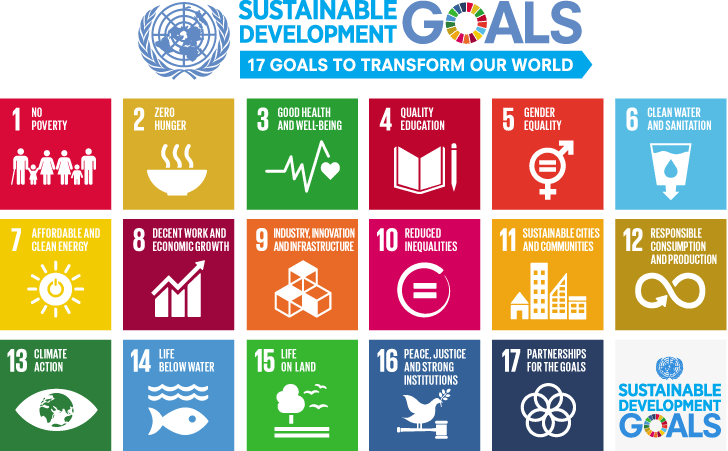
As a society, our sustainability initiatives have come a long way. We’ve seen significant growth in the use of renewable energy, measures taken to conserve water, to reduce waste, and reuse resources. The adoption of the Sustainability Development Goals (SDGs) across more and more organisations is indicative of our greater acceptance of responsibility to look after the planet.
These changes are also beginning to influence investment decisions in business. Sustainability in project management is more than a trend, or an exercise in ticking boxes. Rather, it changes the paradigm of how we select, deliver, and even think about project value. The result? Our project management practices are improving, not only to become green-friendly, but future friendly. And, with smarter systems for delivery, we’re managing projects far more efficiently than ever before.

What is Sustainability in Project Management?
Sustainable project management is, at its core, quite simple. It refers to projects that adopt processes that address wider social and environmental considerations as part of their strategy.
The formal definition for sustainable project management by Gilbert Silvius and Others is:
“… the planning, monitoring, and controlling of project delivery and support processes, with consideration of the environmental, economical, and social aspects of the life-cycle of the project’s resources.”
Organisations aren’t bound to a set of standards which define sustainable project management. Rather, their sustainability choices reflect changes in values taking place in society. Business managers know that sustainability practices are preferred by consumers, and that poor sustainability practices damage reputation. Also, they understand that conserving energy and recycling resources offer significant economic savings. As a result, each organisation frames their own approach to sustainability based on efficiency and social and environmental responsibility.
What is the Role of Project Managers?
Naturally, this changes the role of a project manager. Today, instead of just managing the ‘iron triangle’ of time, scope and cost, the modern manager must also factor in sustainability.
From a commercial point of view, that means more than just being seen to ‘save the planet’. In a very real sense, sustainability refers to the longevity of an organisation’s business model. Pumping out disposable products that destroy the surrounding environment and make cities unlivable is ultimately an unsustainable business model. Instead, efficient value chains that recycle resources, and processes that protect the environment from damage, are more likely to remain profitable into the future.
Therefore, project managers must innovate. They need to understand the entire scope of a project’s value and the options available to deliver it sustainably. An innovative mindset considers the opportunities it provides for smarter ways of working, and the impacts that all its activities will have on future generations.
Importantly, the new paradigm changes the way project managers work with stakeholders. Instead of ‘managing’ stakeholder expectations (a common term in traditional project management), we engage with them. In effect, that means actively consulting with a wide range of stakeholders to execute projects holistically – from a commercial, social, and environmental perspective.
Project Management Sustainability Frameworks
More recently, companies around the world have started to introduce ESG (Environmental, Social, and Governance) practices into their operations. However, creating sustainability in project management requires clear guidelines to ensure organisational goals are met. That’s why a number of project management frameworks have been developed to assist project managers. The two most comprehensive and recognised frameworks are currently the PRiSM and the P5 Standards.
‘PRiSM’
The PRiSM Approach, or Projects Integrating Sustainability Methods, is a set of principles that govern the entirety of the project lifecycle. In effect, it moves project management beyond traditional parameters by prioritising environmental, social, and economic sustainability. To that end, PRiSM aims to minimise the project’s carbon footprint, reduce its resource consumption, and enhance social well-being.
Generally, the key elements of PRiSM include stakeholder engagement in identifying sustainable goals, the introduction of eco-friendly design and construction practices, more efficient resource management, and continuous monitoring and reporting on sustainability performance.
Overall, PRiSM has been conceived to deliver successful projects that align with ethical, environmental, and social responsibilities. In sustainability terms, it results in project risk reduction and greater long-term benefits realisation.
PRiSM’s Project Breakdown
The PRiSM framework is implemented across four distinct delivery phases:
- Definition (discovery): Stakeholder engagement plays a crucial role in determining the project’s sustainable parameters and alignment with organisational values.
- Design (sustainability orientation): Sustainable design principles are applied, and eco-friendly materials, energy efficiency, and social impacts are all carefully considered. A sustainable project design plan is created that prioritises sustainability whilst meeting all other project objectives.
- Delivery (organisational orientation): The project is executed following the sustainable design plan and monitored with close attention to resource efficiency, waste reduction, and environmental impact.
- Handover (closure): On completion, the project is transitioned to operational use, sustainability achievements (benefits) are documented, and final reporting to stakeholders is delivered. This is where sustainable objectives set at the beginning of the project are shown to have been met and sustained over time.
‘The P5 Standard’
The other recognised benchmark is the P5 standard by Green Project Management. This framework informs decision-making and fosters effective resource allocation.
In practice, teams will be familiar with the triple bottom line, or ‘3Ps’ (People, Product, and Processes) that govern project management activities.
However, the P5 standard expands upon traditional project management principles with a revamped set of standards* that show projects how to implement plans that are environmentally, socially, and economically responsible:
- People: emphasising the importance of competent and motivated project teams possessing sustainability awareness and skills.
- Process: the importance of establishing clear project workflows and methodologies that incorporate sustainability criteria.
- Progress: the need for continuous monitoring and control over project performance and sustainability commitments.
- Performance: ensuring that all project objectives are met, including the achievement of environmental, social, and economic sustainability goals.
- Purpose: aligning all projects with sustainability objectives, such as reducing environmental impact and promoting social responsibility.
* Some definitions may use alternative terms like ‘Planet, Prosperity, and Peace’.
Effectively, the P5 Standard’s inclusion of wider social and environmental considerations extends the traditional bottom line to include sustainability in all project activities. The approach aims to improve the viability, reputation, profitability, and efficiency of the organisation whilst also executing projects that benefit society for years to come.

7 Steps to Sustainable Project Management
Nevetheless, even without the use of sustainability frameworks, project managers and PMOs are shifting their approach to project development. Sustainability in project management involves deeply integrating broader social and environmental goals into project practices. Here are seven key steps to get you started:
1. Define Your Sustainability Goals
Begin by clearly defining project-specific sustainability objectives. These must be aligned with organisational values and broader sustainability principles.
Every project needs to identify its sustainability objectives, whether quantifiable or qualitative. By doing so, you manage stakeholder expectations and clearly define the sustainability benefits to be expected from the investment. Thus, the project plan should nominate the criteria and metrics by which it will measure sustainability throughout the project lifecycle.
How you determine those criteria is subject to interpretation and context. In many cases it may be worth getting professional advice. For some initiatives, like carbon footprint reduction in the clothing industry for example, there may be industry certifications that apply.
2. Engage with Stakeholders
Engage stakeholders, including project teams, communities, and regulators, to identify and prioritise the aspects of sustainability that matter most to them.
Project management must reach out to all relevant stakeholders. That will include local communities, regulatory bodies, and NGOs directly affected by the project. However, it may also indirectly impact certain groups.
Thus, early identification, analysis, and communication with stakeholders sets up meaningful feedback mechanisms that assist with planning. Also, prioritising regulatory compliance, impact mitigation, and fair compensation can help to manage many issues before they emerge. Therefore, project managers start optimising their delivery from the very beginning, possibly before it has even been submitted for approval.
3. Conduct a Sustainability Assessment
Conduct a comprehensive sustainability assessment of your project. Consider environmental impacts (e.g. carbon footprint), social factors (e.g. community well-being), and economic aspects (e.g. cost-efficiency).
If required, there are several organisations that conduct social and environmental assessments of the impacts of commercial projects. One of the most well-known is the International Finance Corporation (IFC), a member of the World Bank Group. The IFC provides guidance and standards for conducting environmental and social impact assessments (ESIA) for projects globally. Today, IFC’s Performance Standards and Environmental and Social Sustainability Framework are widely recognised as one of the most authoritative sources for assessing and managing project impacts.
In addition, various governmental agencies, non-governmental organisations (NGOs), and consultancy firms conduct assessments and provide guidelines, often tailored to specific regions and industries. However, the authority and credibility of those organisations may vary depending on the context and project type.
4. Develop a Sustainability Plan (SMP)
Develop a comprehensive plan that outlines the strategies, targets, and actions that will meet the defined sustainability goals.
An SMP, or sustainability management plan, outlines the specific sustainability objectives and requirements of the project. Then, it communicates a clear picture of the processes that will be used to achieve its goals. Therefore, it describes the project methodology to be employed, as well as internal procedures that will govern the delivery of project tasks.
In addition, project planners should identify any alternative methods to achieve the outcomes determined in step one. This helps to verify you have selected the best approach.
For example, another way to achieve a smaller carbon footprint could be as simple as hosting all company meetings virtually. In fact, alternatives don’t need to be particularly elaborate. However, they must represent comparable and feasible options for meeting project sustainability targets in other ways. Then, after comparing all the options, stakeholders can agree on the best course of action.
5. Establish a Sustainability Breakdown Structure
Create a hierarchical structure that categorises, organises, and prioritises sustainability goals within the project so that they may be deployed more effectively.
The SBS is the sustainability equivalent of a project Work Breakdown Structure. Thus, it helps organise and prioritise sustainability considerations, making it easier to plan, monitor, and achieve goals along the project lifecycle. After identifying sustainability goals and key performance indicators (KPIs), the SBS is used to integrate those goals into the project’s planning, execution, and monitoring systems.
Addressing goals in this way ensures that their delivery is systematic and embedded in the project plan, making the management of sustainability aspects much more achievable and transparent.
6. Monitor Sustainability as Projects are Delivered
Continuously monitor sustainability performance, report progress transparently to stakeholders, and adjust strategies to stay on track when required.
Just like regular project portfolio management, a sustainable project strategy needs continuous review and updating based on results and changing circumstances. Issues are managed by a control process, and resources are adjusted according to performance.
Accordingly, a Sustainability Index (SI) is used to assess and prioritise projects within the portfolio based on their performance and alignment with sustainability goals. The index combines various criteria, such as environmental impact, social responsibility, and economic viability, into a single score or ranking. In practice, the SI works by assigning weightings to different sustainability factors and then evaluating each project’s performance. Then, projects that score higher on the sustainability index can be prioritised. In effect, the SI ensures that the portfolio is optimised for sustainability and the organisation’s broader values.
7. Practice Continuous Improvement
After project completion, evaluate the results and lessons learned to improve future sustainability efforts.
The assessment of whether a completed project has achieved its objectives might be based on sustainability frameworks such as PRiSM or the P5 Standard, or by guidelines and advice from reputable authorities. Apart from the World Bank Group, other points of reference include the International Standards Organisation, and the International Project Management Association.
These 7 steps help to instill sustainability is an integral part of your project’s DNA. They promote responsible practices and foster long-term positive impacts from your organisation’s activities.
However, it’s important to ensure that adequate sustainability training is provided for your teams. This can be managed internally or through training organisations such as Green Project Management. With effective training, employees better understand their roles and are more equipped to achieve the sustainability objectives in the projects being delivered.

Becoming a Sustainable Project Manager
If projects are the vehicles for business strategy, project managers are the drivers. So, if your organisation’s aim is to become more sustainable, your project managers must be drivers of change.
Unfortunately, it’s not enough to just implement sustainability measures in an ad hoc fashion. Project managers require specialised training to handle all the requirements of their role. They must be able to personally engage with stakeholders when required, and represent the organisation in public forums.
Therefore, training equips project managers to employ sustainability principles in every aspect of delivery. However, there’s only one certified sustainable project management program currently available. Green Project Management Global offers three types of Green Project Manager Certification. All courses are based on the PRiSM and the P5 Standards frameworks for sustainability in project management, and each course has varying pre-requisites of expertise. Consequently, you can build upon existing skills in this space or start as a relative beginner.
GPM-b Certified Green Project Manager
GPM-b is a knowledge-based certification, which focusses on maximising sustainability efforts within the project lifecycle. It assists project managers to implement measurable sustainability standards and improve the construction and delivery of project deliverables. It’s the GPM’s foundational certification, so there are no prerequisites to entry.
GPM-s Certified Green Project Manager (Specialist)
GPM-s is an expert-level certification which focusses on an individual’s knowledge, and their competence in implementing sustainability measures. It has a prerequisite of between four and five years experience working as a project manager, depending on whether you also have a bachelor’s degree. To pass this certification, assessment is by a written case study.
GPM-m Certified Green Project Manager (Master)
GPM-m is a training program designed for portfolio managers and directors. It is the highest credential you can achieve in sustainable project management. The individual must hold either a GPM-b or GPM-s certification, and a bachelor’s degree.
With the appropriate training, you can effectively implement measures that assist organisations to transform their project portfolios for greater efficiency and sustainability. To learn more about sustainability in project management training, explore the Green Project Management website and our blog on becoming a sustainable project manager.

Sustainability in Construction
Sustainability in the construction industry involves some key considerations. Firstly, the construction industry is significant, with 9.6% of the Australian workforce employed in this sector. It’s no surprise, therefore, that it represents a major opportunity for growth in sustainability. There’s also evidence of industry-wide changes in this regard, particularly in Australia.
Let’s start with the bad news. Emissions from the building sector account for 38% of global CO2 emissions, and 30% of building materials end up as waste. In Australia, construction, building and maintenance operations contribute around 25% of total greenhouse gas emissions.
However, there is good news. Australia has the highest percentage of construction industry professionals contributing to sustainable building projects around the world, (94%). Furthermore, our Green-star certified buildings in Australia produce 62% less greenhouse emissions than normal buildings and recycle 96% of their construction and demolition waste. This is clear evidence that sustainability considerations can make an enormous difference in construction projects.
What is Construction Sustainability?
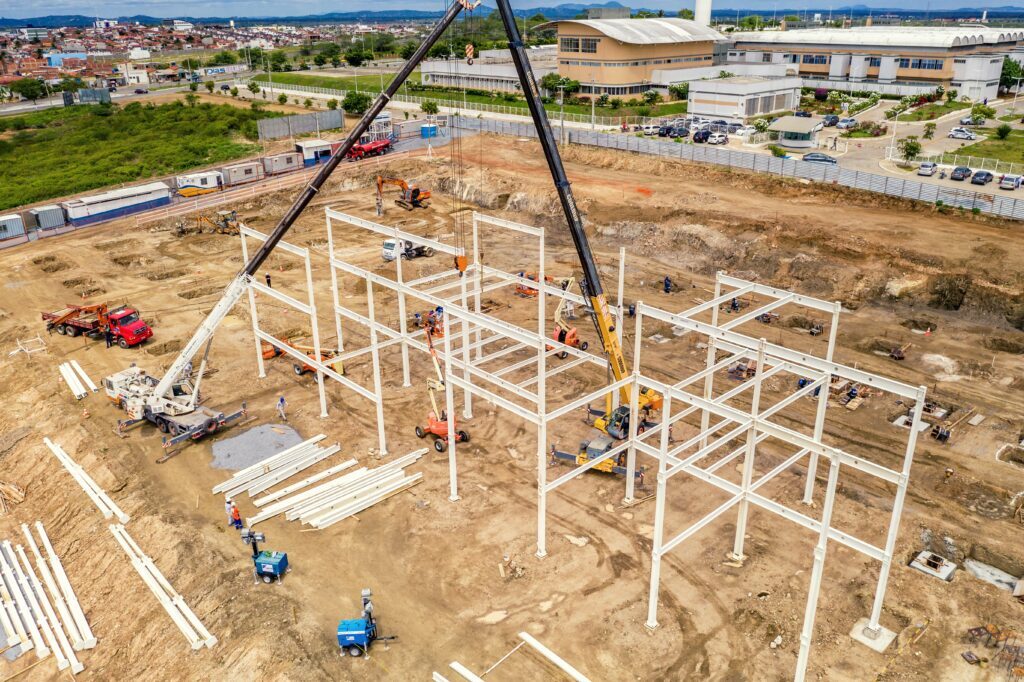
Sustainable construction describes a healthy built environment based on resource efficiency and ecological design. It affects the design of buildings and the materials used to make them. It also factors into the building’s operation and any maintenance it will require over its lifespan.
Sustainable construction seeks to reduce or eliminate any impacts of construction on the environment, on the health and productivity of its occupants, and on the costs of their operation (e.g. heating and cooling).
There are significant benefits to sustainable construction. These include:
- Sustainable construction increases the value of buildings by 7%.
- Sustainable buildings have lower operating costs; the European Commission suggests a total annual energy savings of €410 billion.
- Building sustainably is great for public relations.
- Sustainable buildings improve human health and productivity.

Is Green Project Management Worth It?
Sustainability in project management is only at the beginning. We’re seeing the benefits of implementing sustainability in every sector and the opportunities it provides for future growth. Here are 5 positive impacts from this changing approach:
BROADER scope and scale of projects
Sustainability considerations shift the scope and scale of projects. That means long-term impacts and benefits have an increased importance. More benefits are being reaped from investments over a longer period.
Wider stakeholder involvement
Sustainability also increases the number of project stakeholders. These now include groups like environmental organisations, human rights organisations, citizens groups, and other NGOs. By broadening stakeholders, there are more people actively informing project processes, goals, scheduling, risk, and reporting.
Enhanced business cases and project selection
In line with the expansion of the original Triple Bottom Line (People, Product, Process) to the P5 Standard, the overall business case for a project will include broader sustainability factors. Financial justifications and assessments of costs and benefits will have a wider scope. Thus, future project selection and investment decisions will have multi-criteria approaches that consider quantitative and qualitative outcomes.
Matured schedule management
Sustainability places greater importance on the pursuit of efficiency. Cutting down on waste, reducing delivery costs, efficient resource allocation, and circular economies now play a prominent part in investment decisions.
MORE Transparent communication and reporting
Traditional project communication often limits the amount of reporting. However, sustainability considerations value greater corporate transparency and accountability – both with internal and external stakeholders. Reporting also happens on a more regular basis, rather than on a need-to-know basis.
These are just some of the outcomes from organisations employing sustainability in project management. Nevertheless, it’s interesting to note that greater efficiency, transparency, accountability, thorough planning, and stakeholder engagement are all very much within the scope of traditional project management. From a business perspective, sustainability can often lead to better governance, lower costs, and higher returns on investment.
Conclusion
By embracing sustainability in project management, organisations take on a significant role in reducing the impact of human activity on the environment. Sustainable project management is not a simple fix, but it has dramatic environmental, social, and economic benefits.
In addition, sustainability in project management goes beyond mere compliance with regulations; it is a proactive approach that integrates environmental, economic, and social objectives into every phase of a project’s lifecycle. Sustainable projects are efficient, well-governed, and deliver benefits for many years to come.
As we move into the future, the importance of sustainability will only continue to grow. Organisations implementing sustainability initiatives will gain a competitive edge, build better products, and build stronger relationships with their communities. Sustainability in project management is how we contribute to a brighter future and create value for future generations.
To find out more about sustainability in project management and the ways that pmo365 can help you configure an efficient, ‘single source of truth’ for all your projects and portfolios, read more from our blog and ask about a free demo for your organisation.